


Record Attendance Highlights the Growing Role of the Green Sector in Italy
The tenth edition of Myplant & Garden, Italy’s leading international trade fair for horticulture, garden and landscape, closed in Milan with record figures and strong international participation. Nearly 28,000 visitors, 800 exhibiting brands and a growing presence of global buyers confirmed the event’s status as a key meeting point for the European and international green industry.
von Myplant & Garden 2026 erschienen am 04.03.2026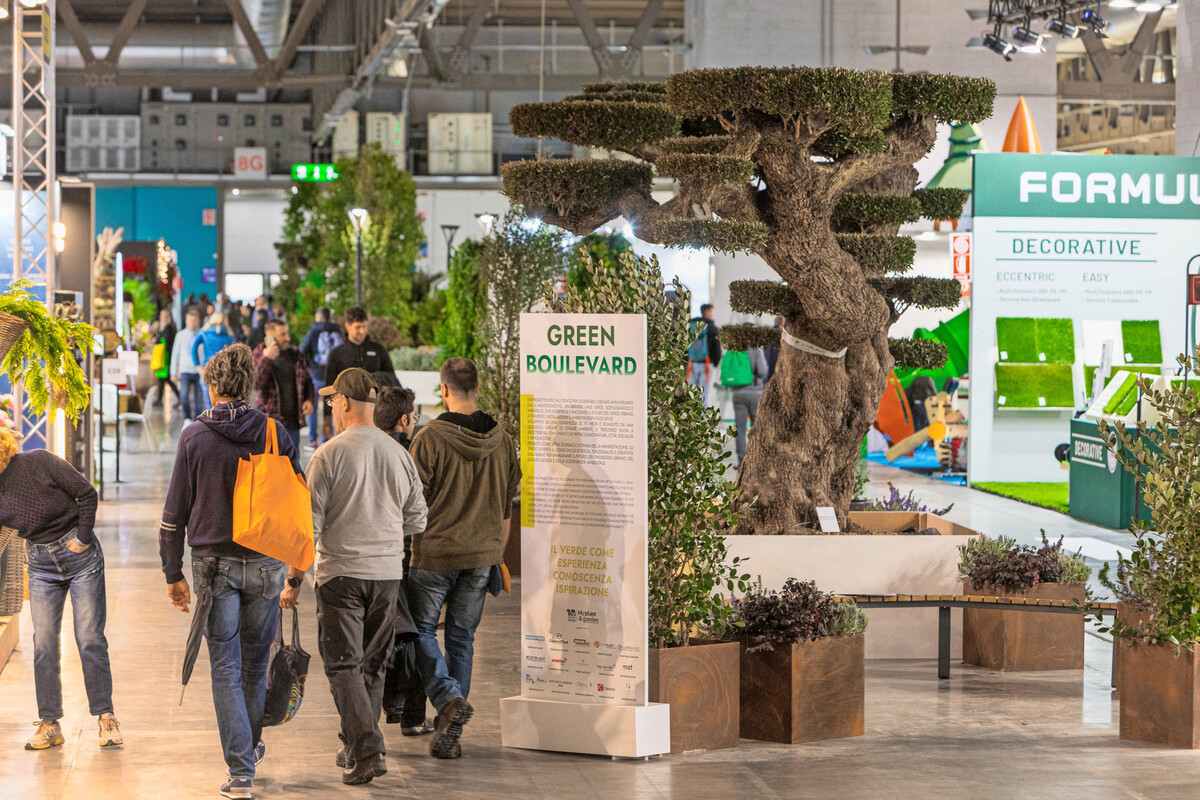
At the same time, the fair reflected broader developments shaping the sector, including technological innovation, sustainability strategies and expanding global markets.
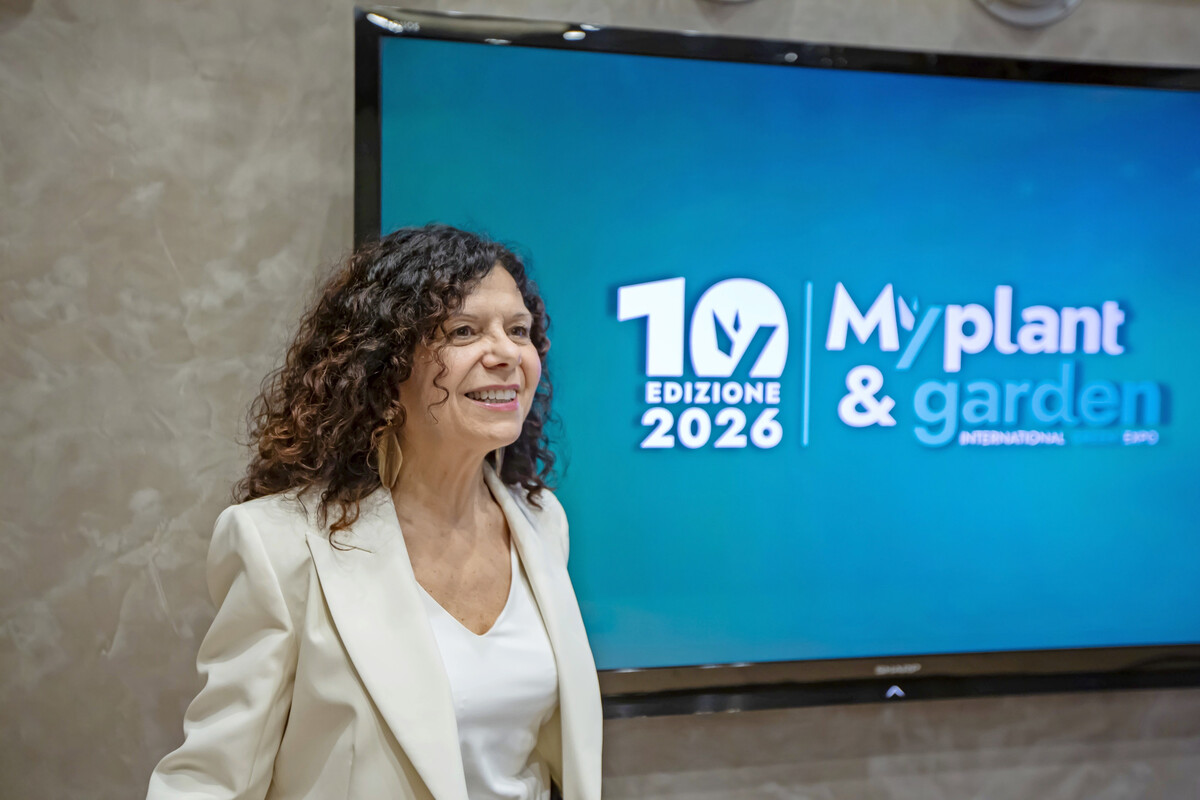
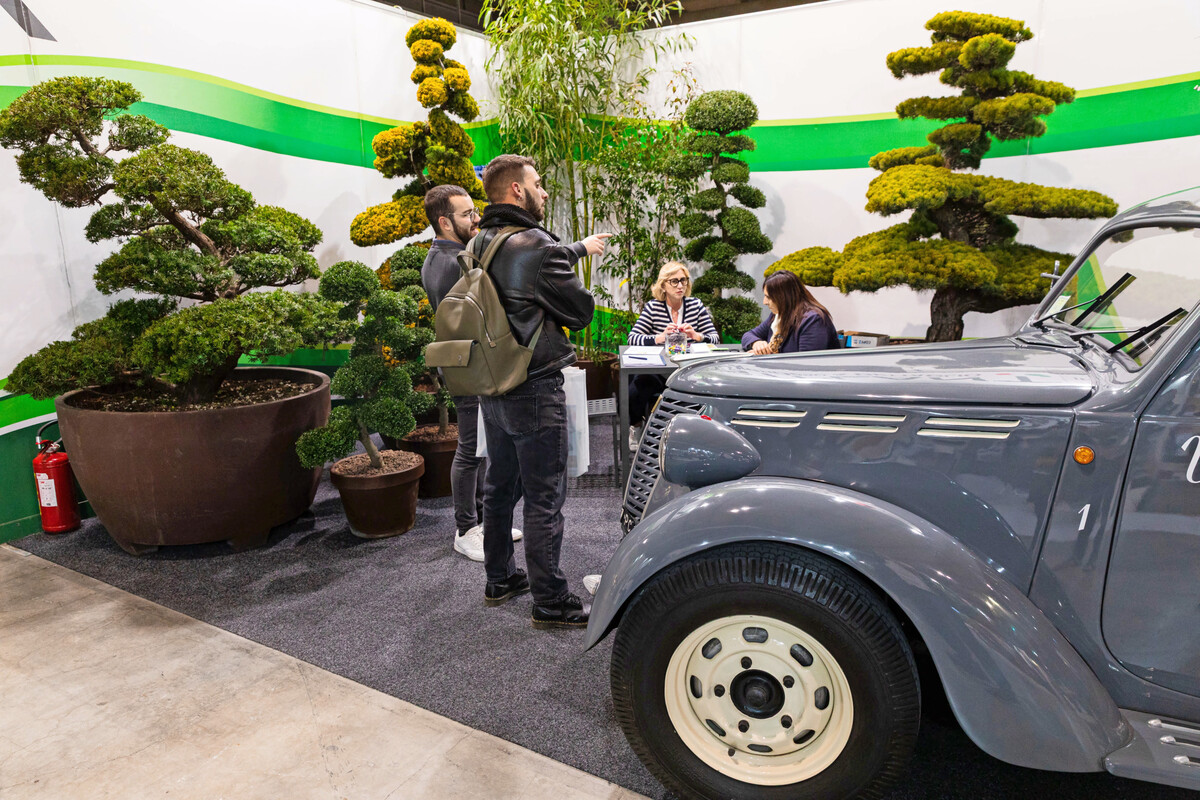
The tenth edition of Myplant & Garden, held in Milan in February 2026, marked a new milestone for the international horticultural industry. The trade fair recorded almost 28,000 entries and hosted 800 exhibiting brands across approximately 60,000 square meters of exhibition space. Compared with the previous year, the exhibition area expanded by around 5,000 square meters, reflecting both the sector’s growth and the increasing relevance of the event in the European trade fair landscape.
1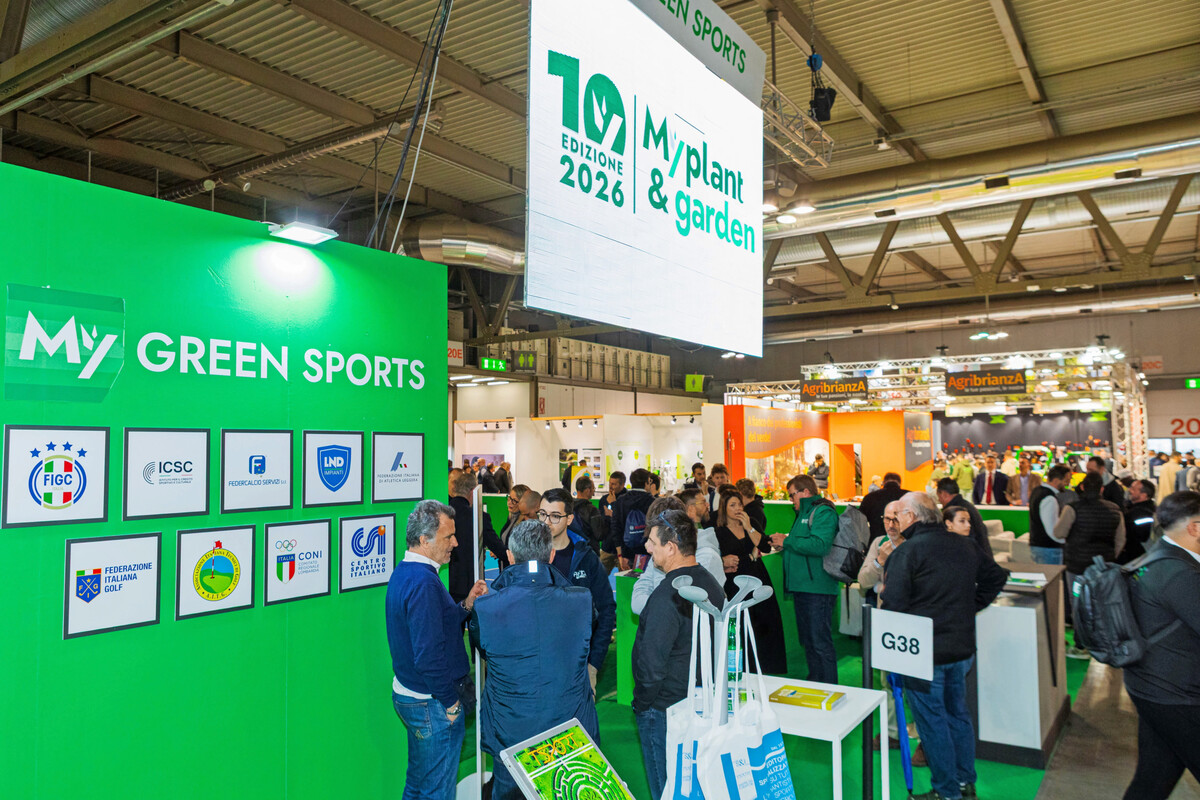
Nine macro sectors
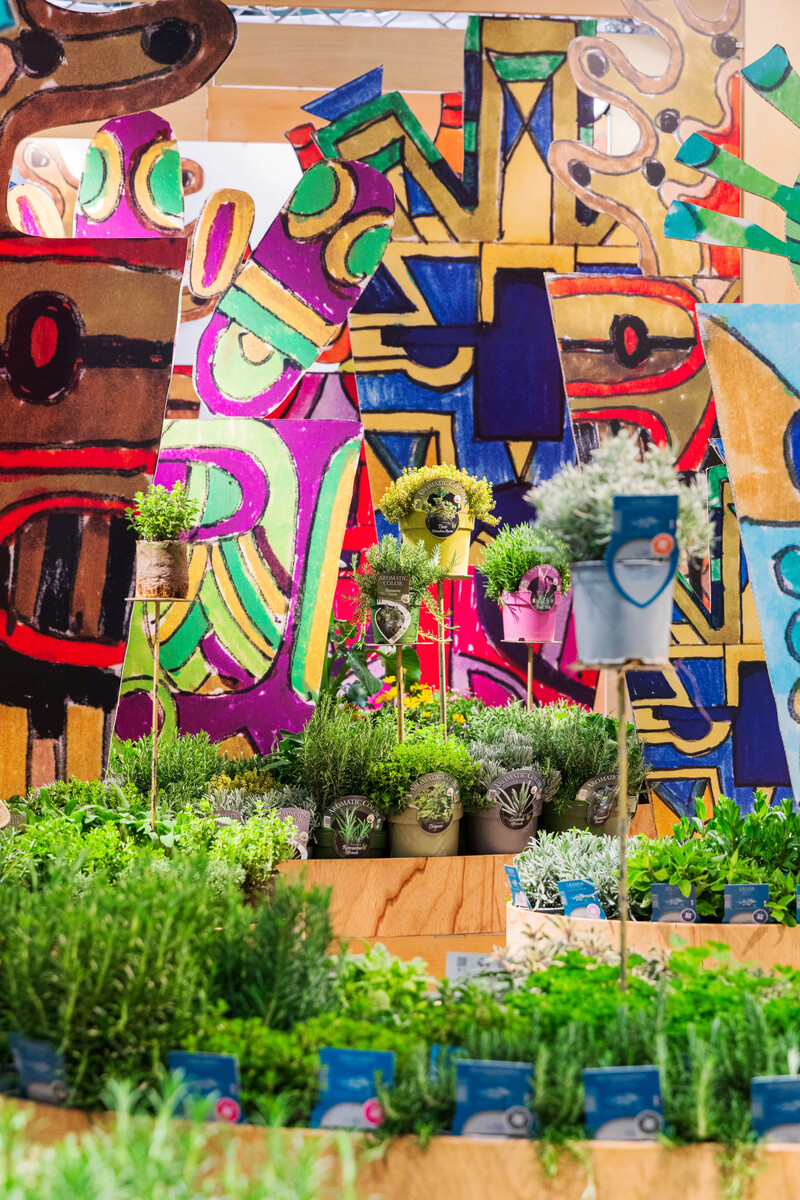
Beyond the record numbers, the event demonstrated the vitality of a sector that spans a wide and complex supply chain. The exhibition covered nine macro sectors ranging from nursery production and seeds to machinery, technology, landscape architecture, garden furniture and decorative flowers. This broad scope reflects the structure of the horticultural industry itself, where production, design, maintenance and distribution are closely interconnected.
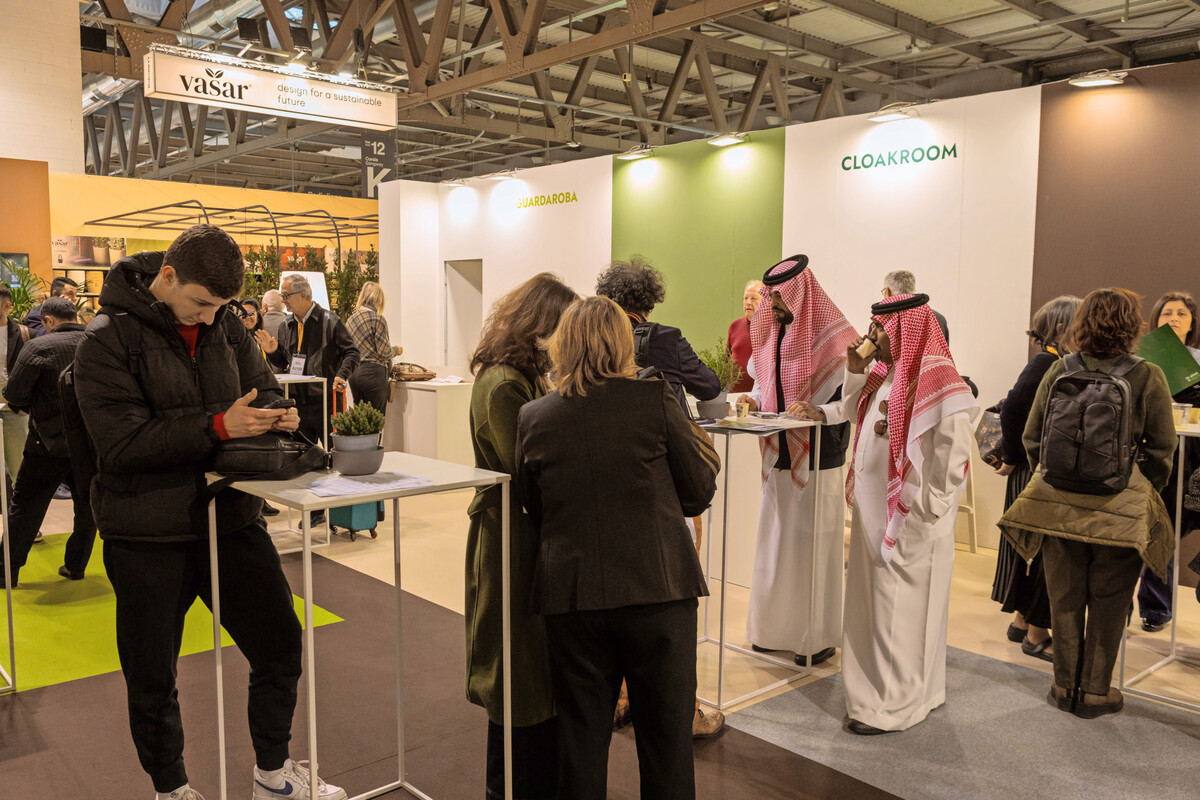
International participation played a central role in the 2026 edition. More than 200 delegations of international buyers from 47 countries attended the event.
Particularly strong delegations arrived from Saudi Arabia, the United Arab Emirates, Germany, Spain, Romania, France and China, while markets in the Middle East and Central Asia gained increasing importance. The international dimension of the fair was also evident among exhibitors and visitors, with more than 130 foreign companies accredited as visitors and around 10 percent of the more than 300 registered journalists coming from abroad.
The composition of the visiting delegations illustrated the diversity of the industry’s distribution and application channels. Garden centres and specialised retail chains formed the largest group, followed by companies from the DIY and home improvement sector.
Landscape architects and design firms were also strongly represented, highlighting the increasing relevance of large-scale urban and landscape projects in global markets. Public authorities and institutional organisations from several European countries participated as well, reflecting growing interest in urban greenery and sustainable city planning.
2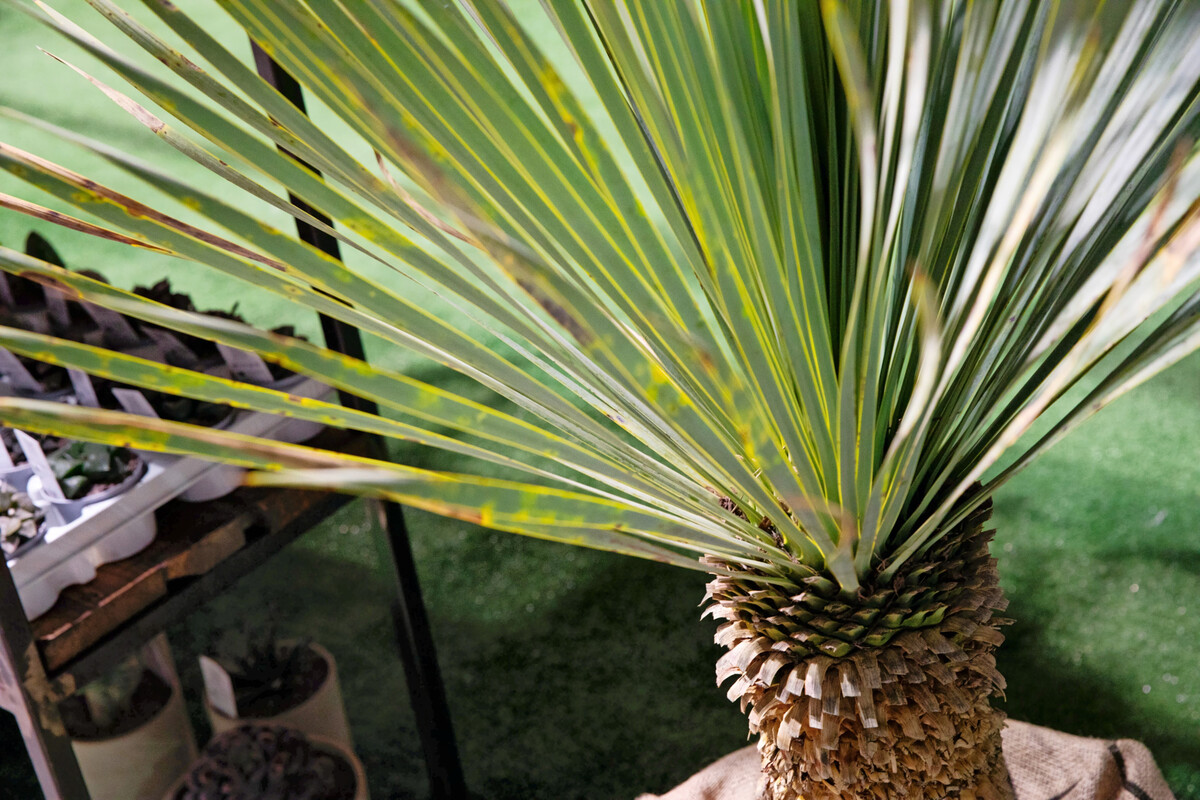
ltalian horticulture marking a historic record
The economic background of the sector reinforces this development. In Italy alone, the value of horticultural production exceeded €3.25 billion in 2024, representing growth of 3.5 percent compared with the previous year and more than 30 percent compared with 2014.
At the same time, exports of Italian plants and flowers surpassed €1.3 billion in 2025, marking a historic record and underlining the international competitiveness of the country’s horticultural industry. Globally, the horticulture sector continues to represent a significant economic field.
According to international estimates presented during the fair, the global production value of flowers and potted plants reached approximately €24.5 billion in 2024, while nursery production and bulb cultivation added further substantial volumes. Within the European Union alone, horticultural production reached a comparable value of around €24.5 billion.
These figures underline the importance of ornamental horticulture as both an agricultural and industrial sector with strong export potential. Innovation was one of the dominant themes of the exhibition.
3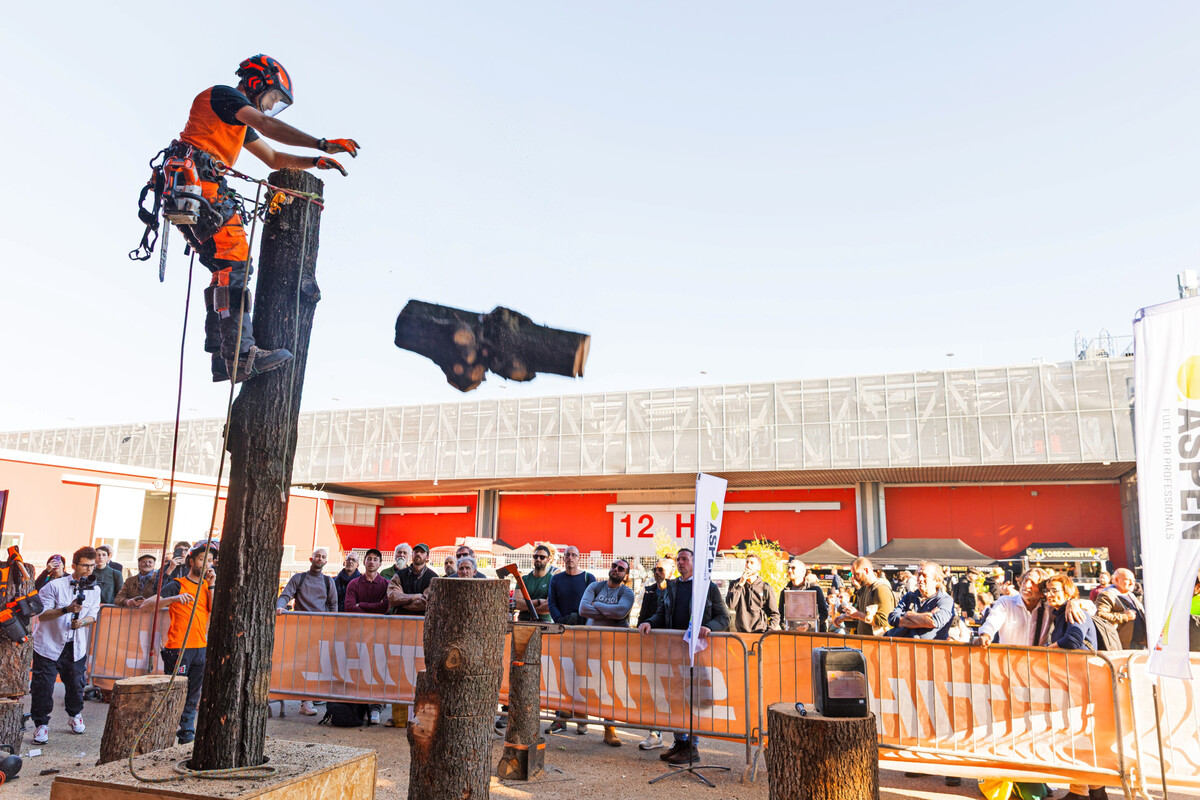
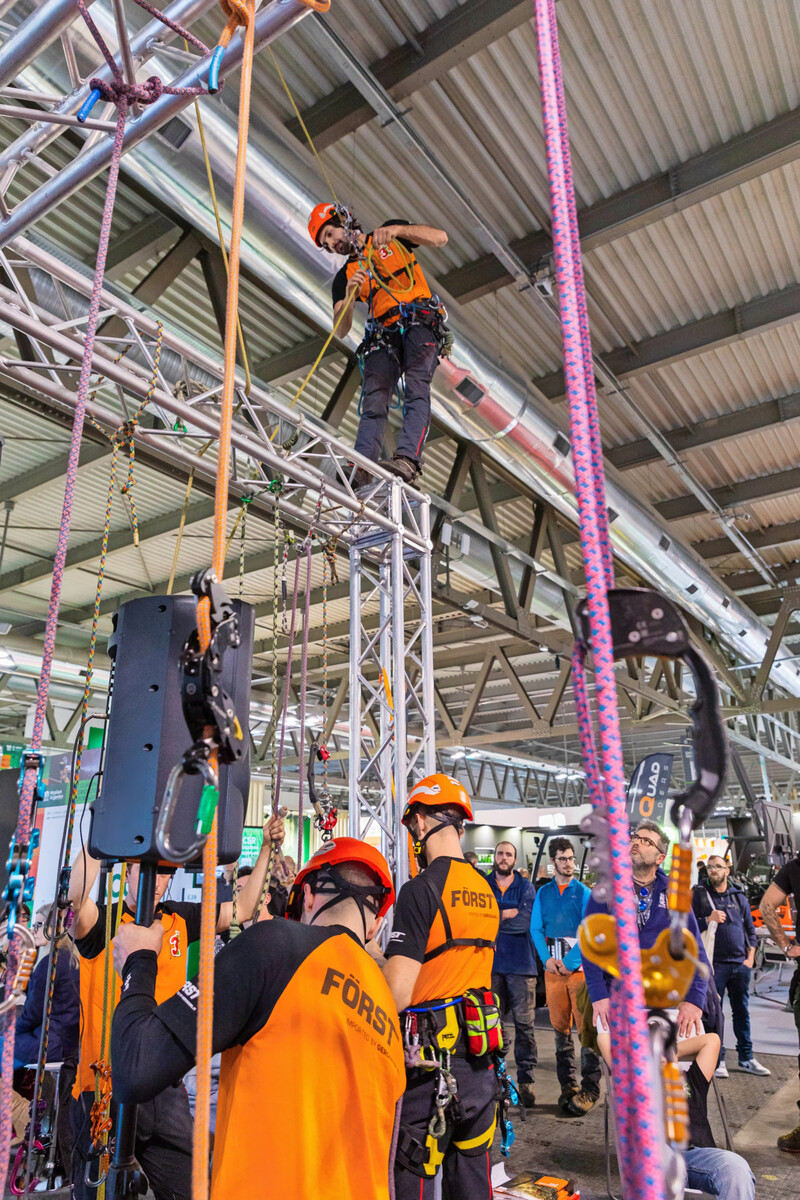
Strong growth in the machinery segment
Through the “MY Innovation” initiative, selected exhibitors presented technological solutions and sustainable products shaping the future of the industry. The range of innovations included robotics and sensor-based monitoring systems, water- and energy-saving technologies, digital soil mapping and vertical farming concepts.
Circular economy approaches and environmentally friendly substrates and fertilizers also received considerable attention.
Particularly strong growth was recorded in the machinery segment, which doubled its exhibition space compared with previous editions. This reflects the increasing mechanisation and technological sophistication of horticultural production and landscape maintenance. In response to this trend, the organisers announced the introduction of a new “Engines and Spare Parts” section dedicated to equipment and components for horticultural machinery.
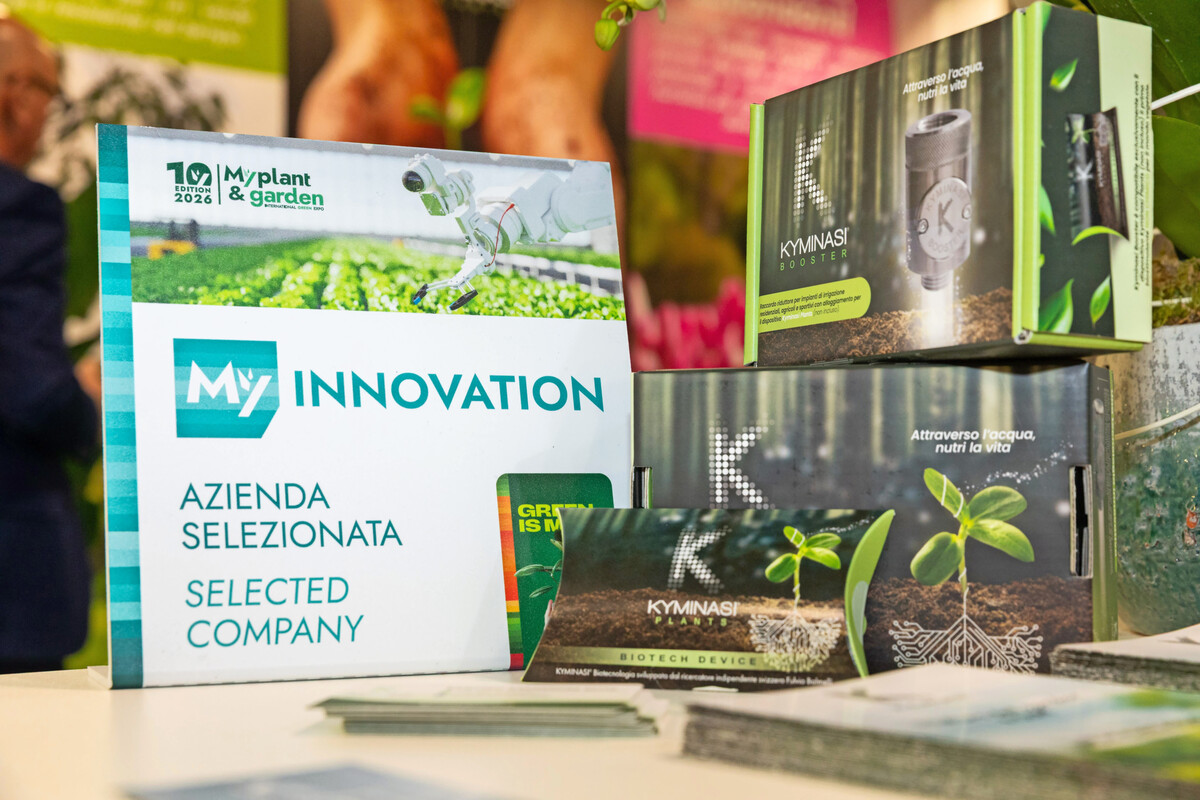
Sustainability and ecological resilience
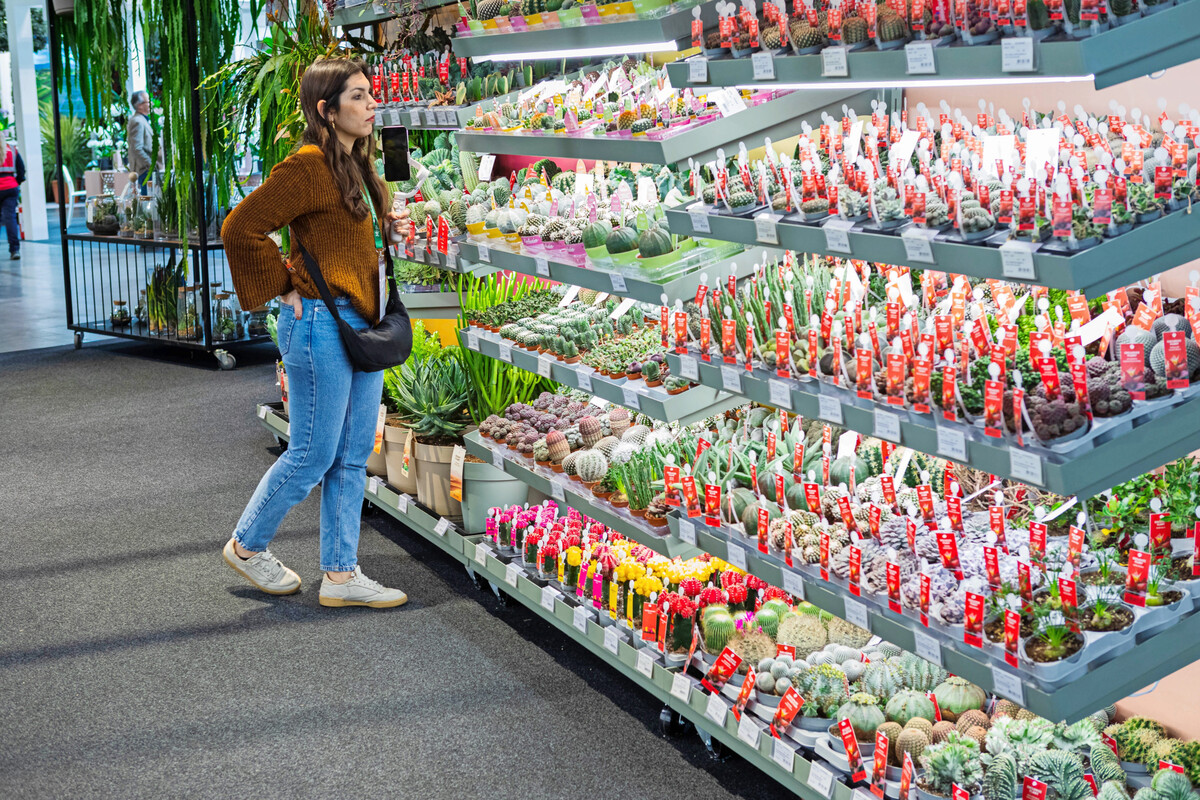
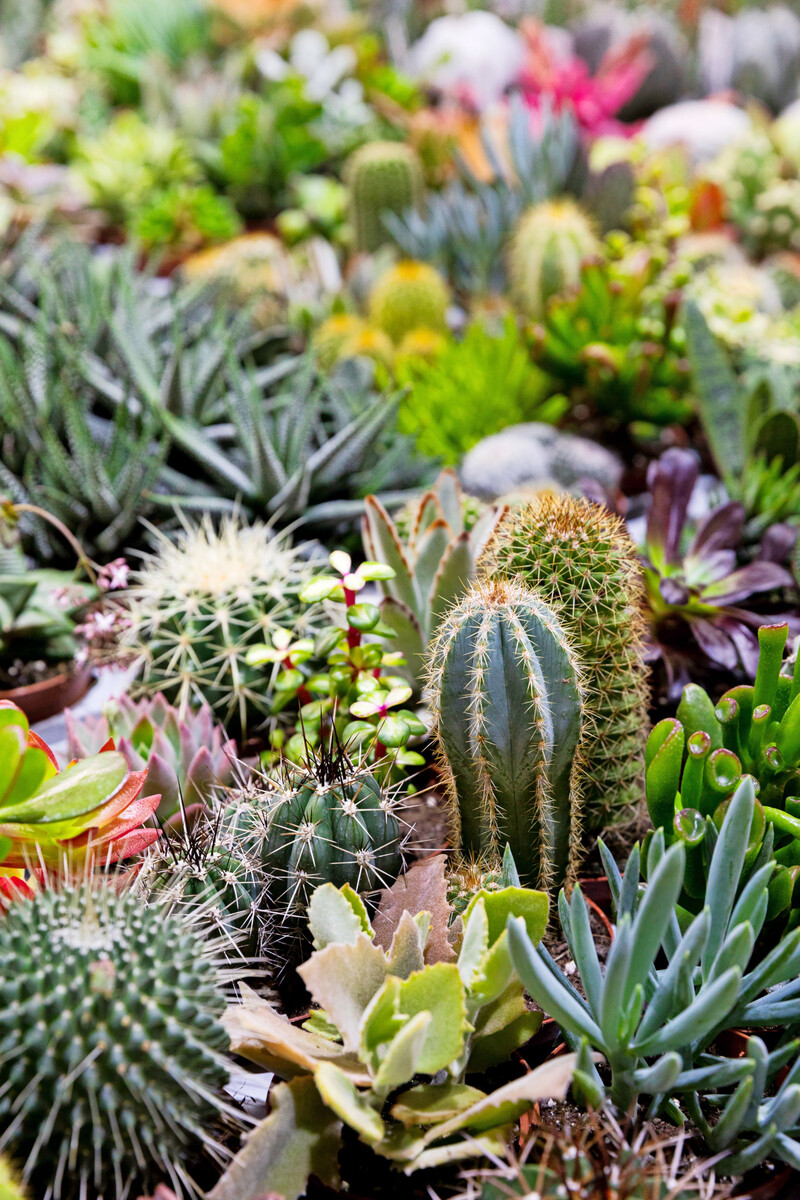
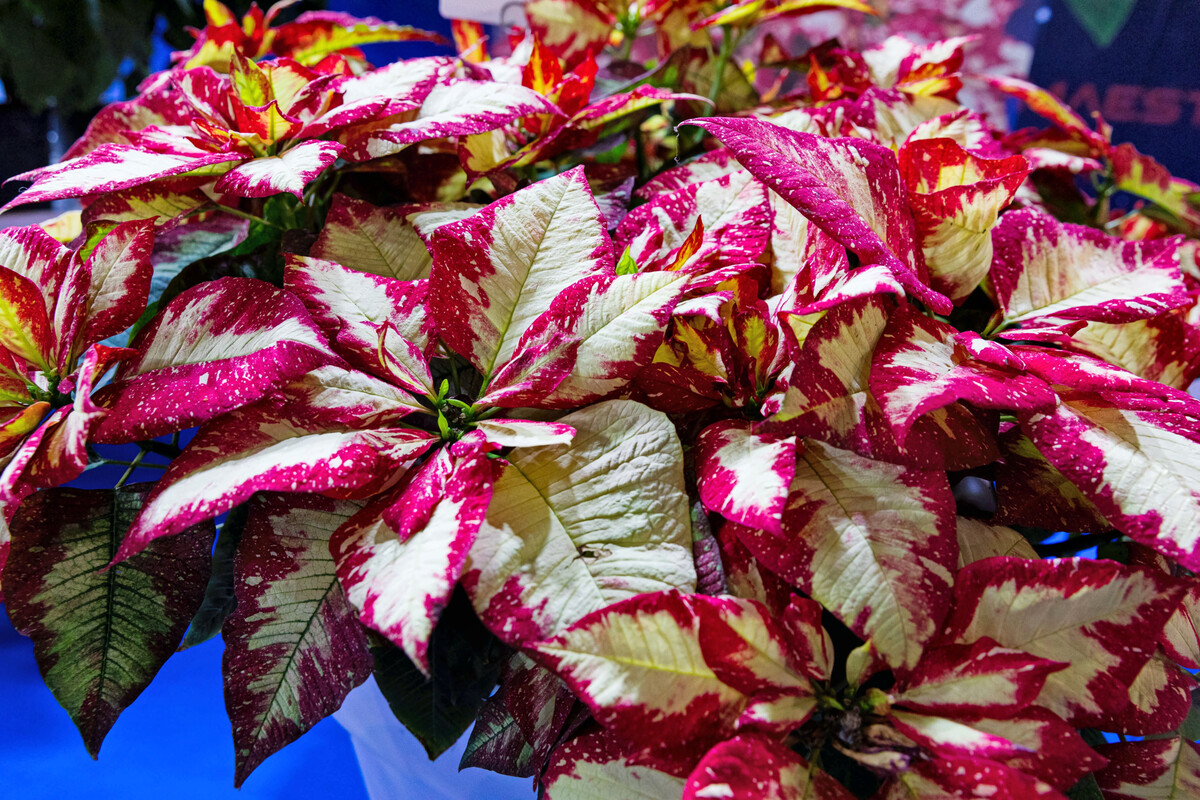
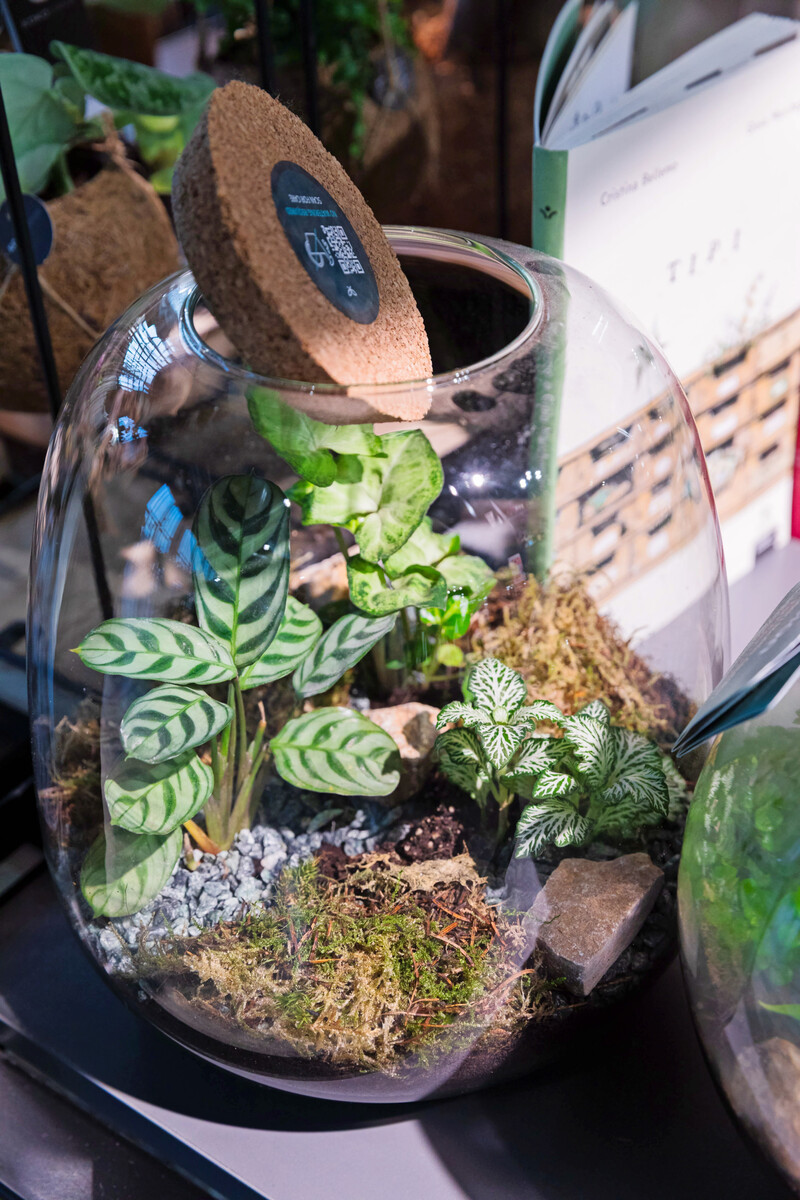
Alongside technological innovations, the fair presented a broad spectrum of botanical novelties and plant varieties. Exhibitors showcased ornamental plants for indoor and outdoor use, rare botanical species, succulents, seasonal flowers and citrus varieties. New varieties of popular houseplants such as Ficus, Alocasia, Calathea and Philodendron were presented, reflecting the continued popularity of indoor greenery in contemporary interior design.
Sustainability and ecological resilience were recurring themes across the exhibition and conference programme. Numerous exhibitors presented solutions aimed at reducing environmental impact, including biological pest control products, bio-stimulants designed to increase plant resilience and soil regeneration techniques based on biochar and vermicompost. These approaches aim to improve productivity while reducing the need for chemical inputs and conserving natural resources. Beyond economic considerations, the event also addressed the social and environmental role of greenery in modern societies.
Importance of landscape architecture in urban projects
Conferences and panel discussions emphasised the importance of urban green infrastructure for climate adaptation, biodiversity protection and public health. Experts from universities, research institutes and planning offices discussed how green spaces can contribute to urban resilience, mitigate pollution and improve quality of life in densely populated areas.
The fair also highlighted the growing importance of landscape architecture in urban redevelopment projects. In the dedicated MY Landscape area, international designers and planners presented new approaches to urban green planning, sustainable materials and digital design processes. These discussions illustrated how horticulture and landscape architecture increasingly intersect with fields such as urban planning, architecture and environmental policy.
Taken together, Myplant & Garden 2026 presented the image of a mature and increasingly internationalised sector. The combination of record production figures, strong export growth and rapid technological innovation suggests that horticulture is evolving beyond its traditional agricultural roots. Instead, it is emerging as a complex economic system that connects plant production, environmental technology, design and urban development.
4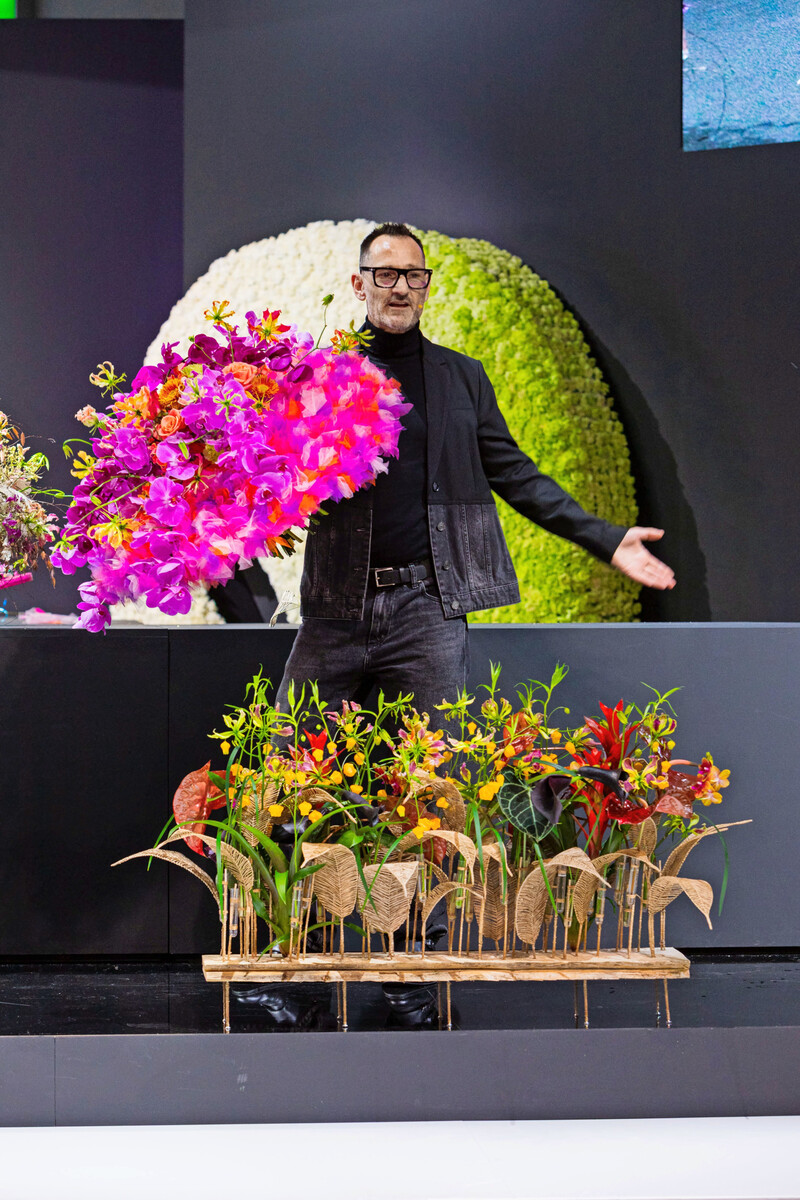
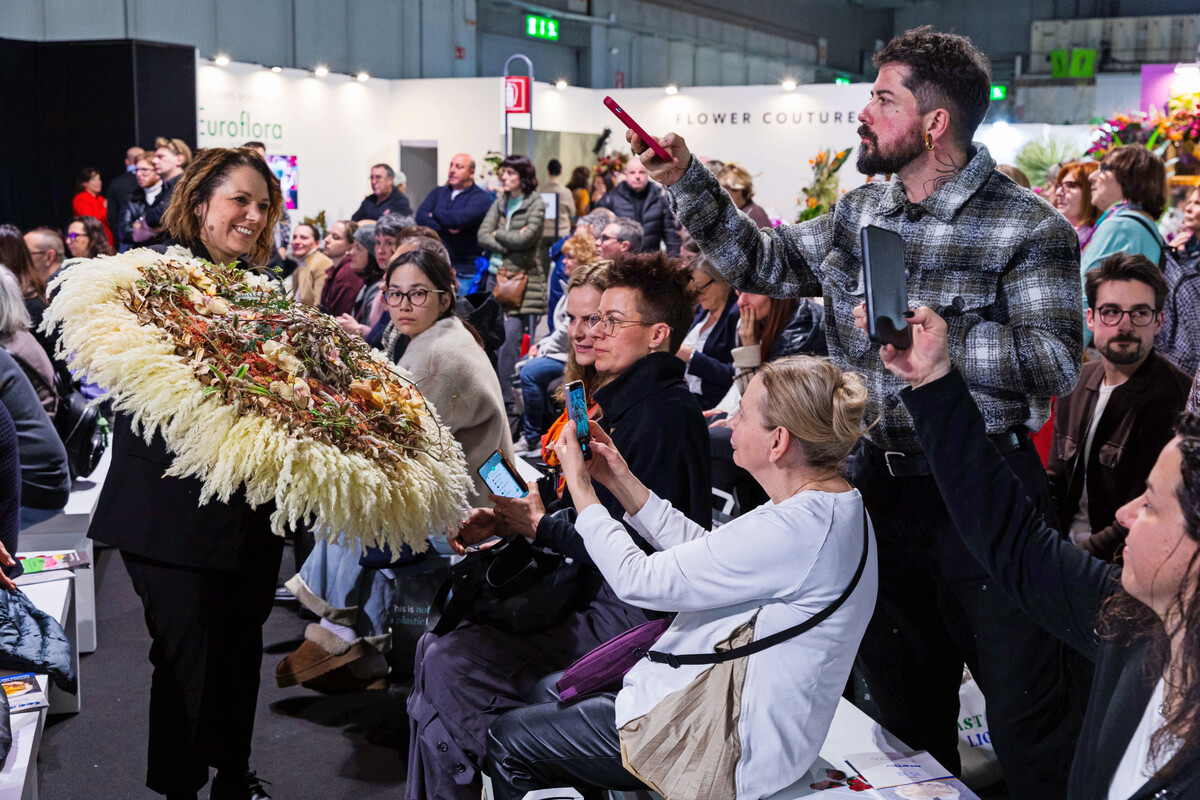
Next editions in Dubai and Milan
The next editions of the event will continue this international expansion. The second edition of Myplant & Garden Middle East is scheduled for October 2026 in Dubai, while the eleventh edition of Myplant & Garden will return to Milan in February 2027. Both events aim to further strengthen global networks within the horticultural industry and promote exchange between producers, designers, technology providers and policy makers.
Zu diesem Artikel liegen noch keine Kommentare vor.
Artikel kommentierenSchreiben Sie den ersten Kommentar.